Indy Car Wheels Technology and Its Influence on Alloy Wheel Design
Motorsport has long been a testing ground for automotive innovation, and few racing categories push engineering boundaries like IndyCar. Among these components, wheel technology plays a crucial role. Indy Car wheels are built to perform under extreme stress, and the advancements developed on the track have had a lasting influence on modern alloy wheel design used in everyday vehicles.
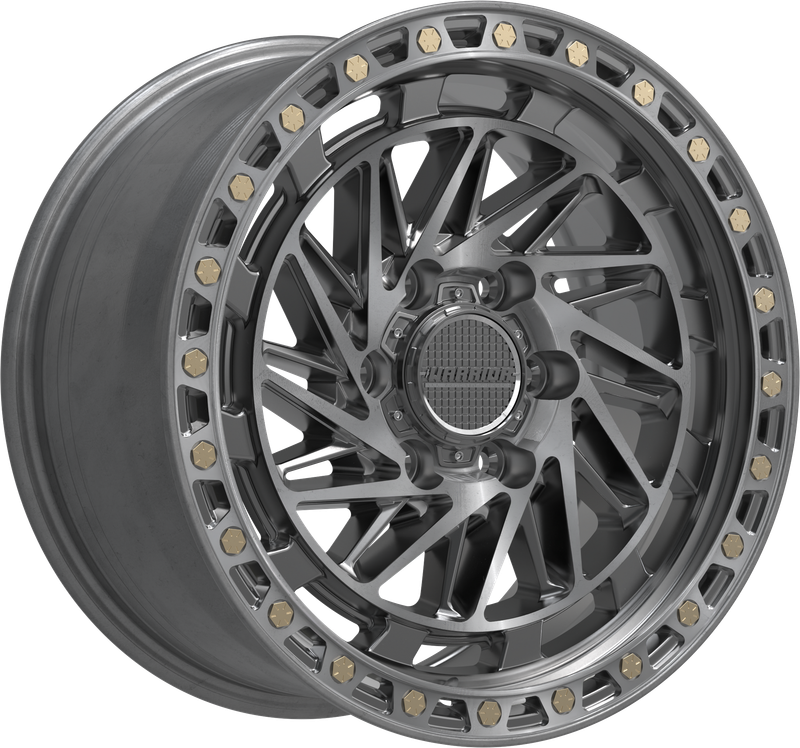
IndyCar wheel engineering focuses on strength-to-weight ratio, heat management, and structural integrity. These same priorities are now reflected in performance-oriented road wheels, including popular options such as Ford Ranger mag wheels, which combine durability with visual appeal. While the driving conditions are very different, the design principles inspired by motorsport remain highly relevant to modern vehicles.
What Makes Indy Car Wheels Technologically Advanced?
Indy Car wheels are designed to handle high speeds, rapid acceleration, intense braking, and sharp cornering forces. They are typically manufactured using advanced forged aluminium alloy wheels wholesale, which provide exceptional strength while keeping weight to a minimum. Reducing unsprung weight improves handling, braking response, and overall vehicle stability, lessons that have directly shaped alloy wheel design for consumer vehicles.
Another critical factor is heat resistance. Indy Car wheels must cope with extreme temperatures generated by braking systems. Advanced materials and precise engineering help dissipate heat efficiently, reducing the risk of structural fatigue. This focus on thermal performance has influenced the development of alloy wheels that are better suited to demanding driving conditions, towing, and off-road use.
Influence on Modern Alloy Wheel Design
1. Lightweight Construction: Motorsport-driven research has led to lighter alloy wheels without compromising strength. This improves fuel efficiency, steering response, and ride quality in road vehicles.
2. Improved Structural Strength: The use of advanced alloys and reinforced spoke designs originates from racing applications. These designs help alloy wheels withstand impacts, uneven road surfaces, and higher loads.
3. Optimised Spoke Geometry: Indy Car wheels often feature carefully engineered spoke patterns to balance airflow, strength, and weight distribution. Modern alloy wheels borrow these principles, combining performance with distinctive styling.
4. Enhanced Brake Cooling: Racing wheels are designed to promote airflow around braking components. This concept is now commonly applied to alloy wheels, helping reduce brake fade and improve safety during prolonged driving.
Indy Car wheel technology has left a strong imprint on modern alloy wheel design. By prioritising strength, weight reduction, and heat management, motorsport innovation has helped create wheels that perform better and last longer on everyday vehicles.


Comments
Post a Comment